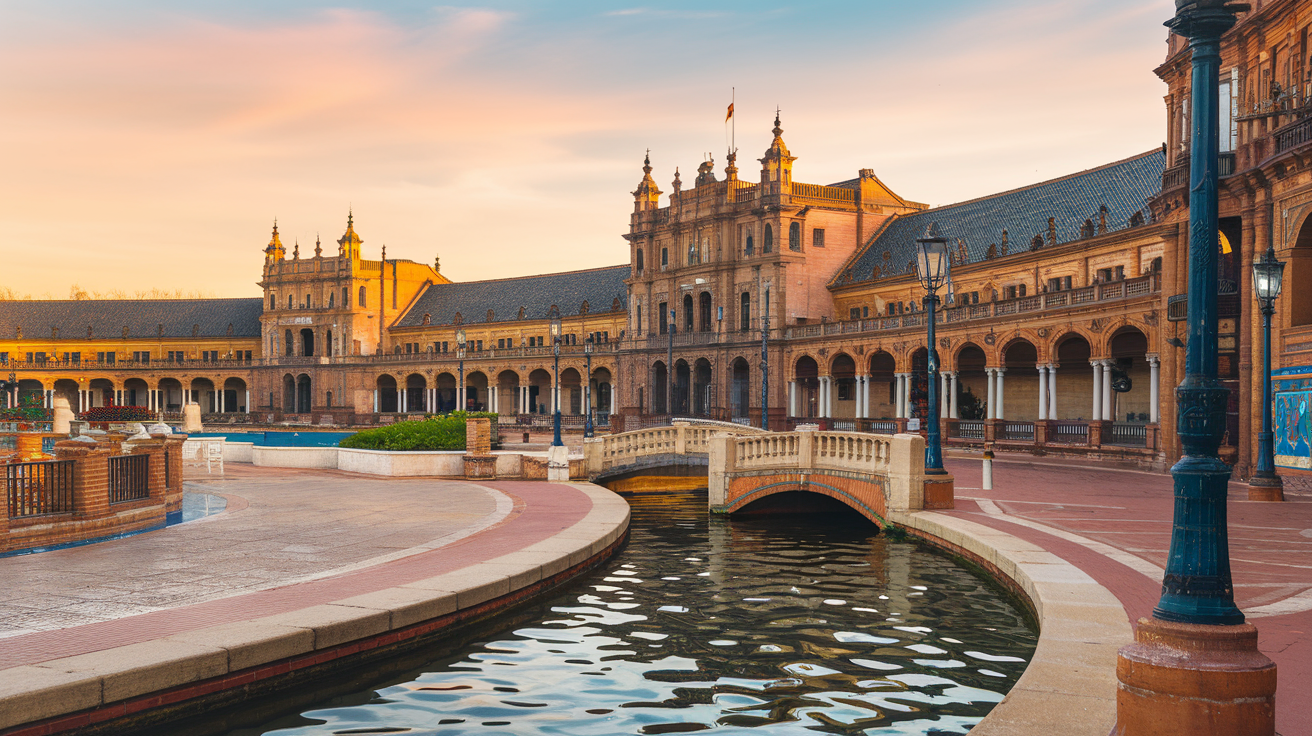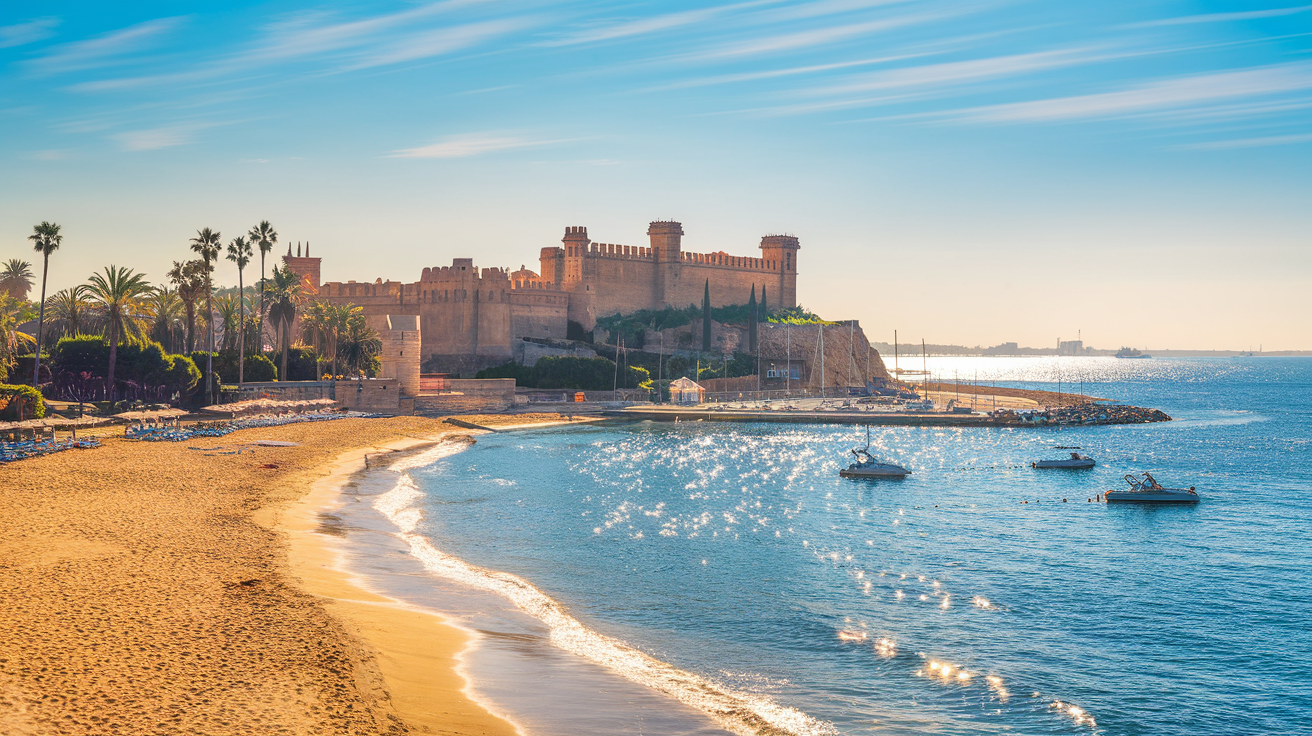
Granada at a glance
Population
~230,000 (metro: 530K)
Avg. rent (1BR)
€500–750/month
Climate
Continental (cooler than coast)
Expat community
Small but present
Why expats choose Granada
Granada punches far above its weight. This mid-sized Andalusian city has the Alhambra (one of Spain's top attractions), a lively university scene, Europe's southernmost ski resort, and the famous tradition of free tapas with every drink. All this at prices that make other Spanish cities look expensive.
Granada feels like a secret. It's undeniably beautiful, culturally rich, and affordable—yet it doesn't attract the same crowds of expats as coastal cities. For those who discover it, Granada offers an exceptional quality of life with genuine Spanish immersion.
Neighborhoods to consider
Albaicín
UNESCO World Heritage neighborhood of winding streets, whitewashed houses, and stunning Alhambra views. The most atmospheric area in Granada, with Moorish heritage visible everywhere. Steep hills, limited parking, and older housing stock—but unforgettable character.
Best for: Those wanting to live in a fairytale, atmosphere over convenience
Typical rent: €550–850 for a 1-bedroom
Realejo
Former Jewish quarter below the Alhambra. More accessible than Albaicín but still historic. Mix of students, locals, and newcomers. Good restaurants and bars, local feel, and stunning views from some apartments.
Best for: Those wanting character with more practicality
Typical rent: €500–750 for a 1-bedroom
Centro
The commercial heart around Gran Vía and Puerta Real. Shopping, restaurants, and easy access to everything. More urban and less atmospheric than historic neighborhoods, but practical and well-connected.
Best for: Those prioritizing convenience and accessibility
Typical rent: €550–800 for a 1-bedroom
Zaidín
Large residential neighborhood south of center. More spacious apartments, local character, good value. Less touristic and more genuinely Spanish. Popular with families and those seeking regular neighborhood life.
Best for: Families, budget-conscious expats, those seeking local integration
Typical rent: €450–650 for a 1-bedroom
La Chana
Working-class neighborhood northwest of center. Very affordable, authentic local life, fewer tourists. Well-connected by bus but further from historic attractions. Good for those on tight budgets.
Best for: Budget-conscious expats, those seeking total immersion
Typical rent: €400–550 for a 1-bedroom
Practical considerations
Getting around
Granada's center is compact and walkable, though hilly. A single metro line connects some areas, and buses serve the city and suburbs. Many residents use bikes on flatter routes. The historic neighborhoods (Albaicín, Sacromonte) require walking—streets are too narrow for vehicles.
Granada's airport is small with limited connections. For international travel, most people use Málaga airport (1.5 hours) or connect through Madrid.
Climate
Granada sits at 700m elevation, making it cooler than coastal Andalusia. Winters can be cold (0-12°C) with occasional snow. Summers are hot (30-36°C) but less extreme than Seville or Córdoba. The Sierra Nevada mountains provide dramatic backdrop and temperature escape.
This cooler climate attracts expats who want Andalusian culture without coastal heat.
Language
Spanish is essential. Granada is less touristy than coastal cities, and daily life requires functional Spanish. The large student population means some younger people speak English, but you'll need Spanish for most interactions. Excellent for serious language learners.
The university influence
The University of Granada is one of Spain's largest, with over 60,000 students. This creates a youthful energy, vibrant nightlife, and cultural events. It also means some areas empty out during summer and exam periods. The student presence keeps prices low and bars busy.
The free tapas tradition
Granada is famous for free tapas—order a drink, receive a tapa. This isn't token bar snacks; you'll get substantial plates that can constitute a meal. The tradition survives because locals expect it, and it's a genuine part of Granada's appeal.
Popular tapas streets include Calle Navas and areas around Plaza Nueva. Going de tapas in Granada is an excellent and economical way to eat and socialize.
Sierra Nevada and outdoor life
Granada is uniquely positioned with Europe's southernmost ski resort just 45 minutes away. Sierra Nevada offers skiing from December to April, then converts to hiking, mountain biking, and summer escapes. You can ski in the morning and be in the city for evening tapas.
Beyond skiing, the region offers:
- Hiking in Sierra Nevada National Park
- The Alpujarras villages (beautiful mountain region)
- Tropical Coast beaches (45 minutes to Almuñécar)
- Rock climbing, paragliding, and mountain sports
The expat community
Granada's expat community is smaller than coastal cities but present. You'll find a mix of students, retirees, language teachers, and location-independent workers. The smaller community means more integration with locals and less risk of living in an expat bubble.
Popular ways to connect:
- Language exchanges (intercambios)—very popular
- University events and courses
- Hiking and outdoor groups
- Facebook groups (Expats in Granada)
- Coworking spaces (ErrantT, La Colmena)
- Flamenco and guitar classes
Cost of living
Granada is remarkably affordable—possibly Spain's cheapest major city. Rent is significantly lower than coastal cities, free tapas reduce food costs, and entertainment is economical. Students live comfortably on tight budgets, and retirees can stretch fixed incomes further than almost anywhere in Western Europe.
This affordability is Granada's secret weapon for budget-conscious expats.
What expats say
Common praise: incredible value, free tapas, beautiful setting, Alhambra access, Sierra Nevada, authentic culture, student energy.
Common complaints: limited job market, small airport, can feel provincial, some areas very touristy, hills challenging for mobility.
Is Granada right for you?
Granada works best for budget-conscious expats, students, retirees on fixed incomes, mountain and skiing enthusiasts, and those seeking authentic Spanish immersion. The combination of cultural richness and affordability is hard to match.
If you need beach access, career opportunities, or a large expat community, consider Málaga, Valencia, or larger cities instead.

Written by
John Spencer
John Spencer is a writer, researcher, and digital entrepreneur who specializes in expat life, relocation strategy, and lifestyle design—particularly in Spain. His work focuses on turning overwhelming topics like visas, residency, healthcare, banking, and cost of living into straightforward, decision-ready insights.
Disclaimer: The information on this page is for general informational purposes only and does not constitute legal, tax, financial, or medical advice. Requirements and regulations change frequently. Always verify information with official Spanish government sources and consult qualified professionals for your specific situation.
Planning your move to Granada?
Get our free checklist with everything you need to do before and after arriving in Spain.
Get the checklist