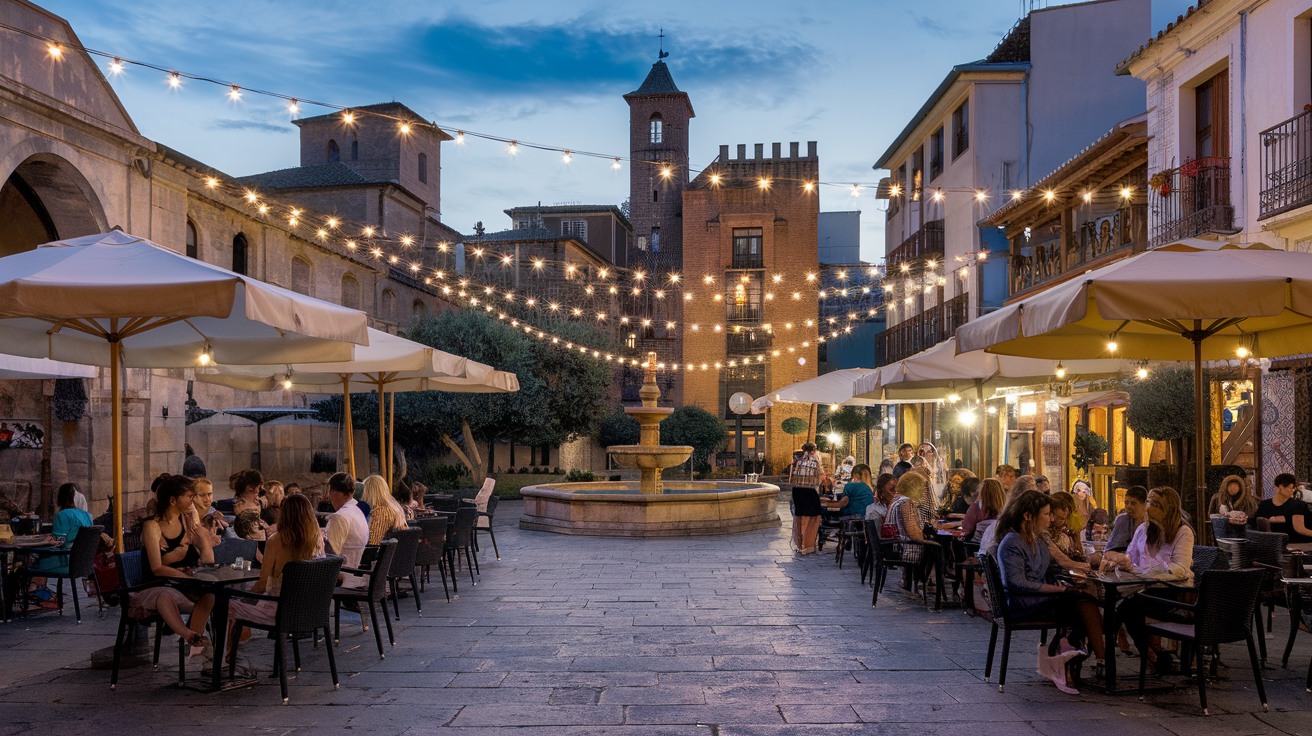
Spain’s climate varies far more than most newcomers expect. The sunny Mediterranean image dominates international perception, but anyone settling in San Sebastián or Santiago de Compostela will tell you that Spain has plenty of rain, and winters in Madrid or the northern meseta can be genuinely cold. Choosing where to live without understanding regional climate differences can lead to unpleasant surprises.
Climate zones overview
Spain contains three major climate zones, with significant variations within each. Understanding these zones is the starting point for knowing what weather to expect.
The Mediterranean climate dominates the eastern and southern coasts, characterized by hot, dry summers and mild, wet winters. This is the Spain of holiday brochures—reliable sunshine, beach weather from May through October, and comfortable winters that rarely approach freezing.
The continental climate of the interior—the high central plateau called the meseta—brings more extreme temperatures. Summers are scorching hot, winters genuinely cold, and the temperature swings between day and night can be dramatic. Madrid’s climate is the classic example: locals describe it as “nine months of winter and three months of hell.”
The Atlantic climate of the northern coast (Galicia, Asturias, Cantabria, Basque Country) resembles Ireland or the UK more than the Mediterranean. Rain is frequent, summers are mild rather than hot, and the landscape stays green year-round. This is “Green Spain”—beautiful but not what most people picture when they think of Spanish weather.
Mediterranean coast
Costa del Sol and Andalusian coast
The southern Mediterranean coast enjoys Spain’s mildest winters and most reliable sunshine. Málaga and the Costa del Sol receive over 300 sunny days per year, making this region popular with retirees and sun-seekers escaping northern European winters.
Summers are hot—regularly exceeding 30°C and sometimes hitting 40°C during heat waves—but the coastal breeze moderates temperatures compared to inland Andalusia. The sea stays warm enough for swimming from June through October, and some years even into November.
Winters are remarkably mild. Daytime temperatures of 16-20°C are common, and frost is essentially unknown in coastal areas. January feels more like late autumn than winter, with enough warm days to eat lunch outdoors.
| Season | Temperature range | Rainfall | Character |
|---|---|---|---|
| Summer (Jun-Aug) | 25-35°C | Minimal | Hot, dry, sunny |
| Autumn (Sep-Nov) | 18-28°C | Moderate | Warm, some rain starts |
| Winter (Dec-Feb) | 12-18°C | Moderate | Mild, some rain |
| Spring (Mar-May) | 16-25°C | Light | Pleasant, warming |
The trade-off for mild winters is summer intensity. If you struggle with heat, July and August in Málaga can feel oppressive, particularly in apartment buildings without air conditioning. Coastal living means constant sea breezes, but head inland to Granada or Córdoba and summer temperatures regularly exceed 40°C.
Valencia and Costa Blanca
The coast from Valencia down through Alicante shares the Mediterranean character but with slightly more seasonal variation than the Costa del Sol. Valencia’s winters are a few degrees cooler, and summer heat, while serious, rarely matches the extremes of inland Andalusia.
Valencia enjoys about 300 days of sunshine annually and receives most rainfall in autumn—sometimes dramatically, with the gota fría phenomenon bringing intense storms in September and October. These storms can dump a month’s worth of rain in hours, causing flash floods. They’re dramatic but relatively brief, and the rest of the year tends toward dryness.
The Valencian coast’s climate supports year-round outdoor living. Even in winter, midday warmth often allows for terraza lunches, and spring arrives early with almond blossoms in February. Summer heat peaks in August; locals escape to the beach or retreat indoors during the hottest afternoon hours.
Barcelona and Catalonia
Barcelona’s climate differs from southern Spain more than many expect. Yes, it’s Mediterranean—hot summers, mild winters—but it’s also wetter and cooler than Andalusia or Valencia.
Summer humidity in Barcelona can make temperatures feel hotter than the numbers suggest. A 30°C day in Barcelona feels stickier than the same temperature in Madrid’s dry heat. The city does get genuinely hot in July and August, but the heat is less relentless than further south.
Winters bring temperatures between 8-15°C—comfortable but definitely requiring warm layers. Rain is spread throughout the year with a slight autumn peak, and occasional cold snaps can bring temperatures near freezing. Snow is rare but not unheard of.
The broader Catalan coast follows similar patterns, with beach towns slightly warmer and inland areas experiencing greater temperature extremes. The Costa Brava in the north is noticeably cooler than the Costa Daurada in the south.
Interior Spain
Madrid and Castilla
Madrid’s climate is continental with a vengeance. The capital sits on a high plateau (650m elevation) exposed to both scorching summer heat and bitter winter cold. The local saying captures it: “nueve meses de invierno y tres de infierno”—nine months of winter and three of hell.
Summer in Madrid means temperatures routinely above 35°C, often touching 40°C. The heat is dry, which makes it more bearable than humid coastal heat, but it’s still intense. Air conditioning has become essential rather than luxury. The city empties in August as residents flee to the coasts or mountains.
Winter brings cold that surprises many newcomers. January temperatures average 6-10°C during the day, dropping to near or below freezing at night. Snow isn’t common but occurs every few years, and cold snaps can be sharp. Madrid’s wind (often mentioned in weather reports) makes cold days feel colder.
| Month | Avg high | Avg low | Rain days |
|---|---|---|---|
| January | 10°C | 2°C | 5 |
| April | 18°C | 7°C | 7 |
| July | 34°C | 19°C | 2 |
| October | 20°C | 10°C | 6 |
The good news is sunshine. Madrid is one of Europe’s sunniest capitals, with clear blue skies dominating even in winter. Spring and autumn are glorious—comfortable temperatures, low humidity, perfect for outdoor cafes and park strolls. These shoulder seasons are when Madrid is at its best.
The wider Castilla region follows similar patterns. Segovia, Toledo, Ávila, and Salamanca share Madrid’s continental character, with higher-altitude cities like Ávila experiencing even colder winters. Summer heat is universal across the meseta, with cities like Toledo and Córdoba competing for Spain’s hottest temperatures.
Interior Andalusia
Cities like Seville, Córdoba, and Granada sit far enough from the coast to experience extreme continental temperatures, particularly in summer. Seville regularly claims Spain’s highest summer temperatures, with July and August bringing weeks of 40°C+ heat.
The Andalusian summer heat is legendary. Locals adapt their schedules around it—long afternoon siestas, late dinners, avoiding the street during peak afternoon hours. Air conditioning isn’t optional; it’s survival equipment. Electricity bills spike in summer as everyone runs their AC units continuously.
Winters, however, are mild—much gentler than Madrid’s. Seville’s January days typically reach 15-18°C, cool enough for a jacket but far from cold. Granada, higher in elevation near the Sierra Nevada, gets colder—more similar to Madrid’s winter than Seville’s.
Spring is Andalusia’s glory season. March through May brings comfortable warmth, orange blossom scent filling Seville’s streets, and ideal conditions for exploring without melting. Autumn extends the comfortable weather into October and sometimes November.
Northern Spain (Green Spain)
Galicia
Galicia’s climate has more in common with Ireland than with Andalusia. This is Spain’s rainiest region, with A Coruña receiving around 130 rainy days per year. The landscape stays lush and green—unusual for Spain—fed by frequent Atlantic precipitation.
Summers are mild rather than hot, with temperatures typically between 20-25°C. Heat waves occasionally push temperatures higher, but locals consider 30°C exceptional. Swimming in Galician waters requires more fortitude than Mediterranean beaches; the Atlantic stays cool even in summer.
Winters are wet but not particularly cold. Temperatures rarely approach freezing at sea level, though interior and mountain areas get colder. Snow is rare on the coast but common in the inland mountains. The persistent winter drizzle (locally called orballo) is more wearing than dramatic rainfall—gray, damp days that string together.
| Season | Temperature | Rainfall | Character |
|---|---|---|---|
| Summer | 18-25°C | Moderate | Mild, occasionally warm |
| Autumn | 12-18°C | High | Wet, cooling |
| Winter | 8-14°C | High | Damp, gray, mild |
| Spring | 12-18°C | Moderate | Improving, variable |
For those who hate intense heat, Galicia offers a genuine alternative. You sacrifice beach weather reliability but gain comfortable summers and a green landscape unlike anywhere else in Spain.
Asturias and Cantabria
The central northern coast shares Galicia’s Atlantic character—rainy, green, mild—with slight variations. Oviedo and Gijón in Asturias, Santander in Cantabria, all experience similar weather patterns: frequent rain, cool summers, mild winters, and persistent cloud cover.
The mountains immediately inland bring skiing in winter (the Picos de Europa range) and alpine conditions that contrast sharply with the mild coast just kilometers away. This proximity of coast and mountain creates dramatic microclimate variations—you can leave rainy Gijón and find sunshine in the mountains, or vice versa.
Summer temperatures of 22-28°C feel refreshing compared to the 40°C+ that scorches interior Spain at the same time. Northern beaches fill with Spanish families fleeing the southern heat. The trade-off is water temperature—the Cantabrian Sea never warms up like the Mediterranean.
Basque Country
The Basque coast (San Sebastián, Bilbao) continues the Atlantic pattern but with slightly less rainfall than Galicia. Summers are warm enough for beach days—San Sebastián’s La Concha beach fills up in July and August—but 30°C feels like a heat wave here.
Winter brings temperatures similar to southern England: gray, rainy, around 8-12°C. Snow is rare at sea level but falls frequently in the Basque mountains. The coast stays mild enough that frost is unusual, but the damp cold can feel penetrating.
What the Basque Country offers is a different pace. The green landscapes, cooler temperatures, and frequent rain create an atmosphere more Central European than Mediterranean. For those who find Andalusian heat unbearable, the Basque lifestyle and climate offer a comfortable alternative—with world-class food as a bonus.
Islands
Canary Islands
The Canaries enjoy what many consider Europe’s best year-round climate. Positioned off the African coast, these islands maintain remarkably stable temperatures throughout the year—warm enough for swimming in January, never oppressively hot in summer.
Each island has its own microclimate. Tenerife and Gran Canaria split between wetter north coasts and drier, sunnier south coasts. Lanzarote and Fuerteventura are drier and windier. La Palma, La Gomera, and El Hierro in the west are greener and receive more rain.
| Season | Southern islands | Character |
|---|---|---|
| Summer | 24-30°C | Warm, dry, breezy |
| Winter | 18-24°C | Mild, some rain in north |
| Year-round ocean | 19-23°C | Swimmable always |
The year-round mild temperatures make the Canaries popular with retirees and remote workers seeking permanent spring. The trade-off is distance from mainland Spain and the higher cost of imported goods. Frequent flights connect the islands to major Spanish and European cities, but you’re definitely on islands in the Atlantic, not a quick train ride from anywhere.
Balearic Islands
Mallorca, Menorca, Ibiza, and Formentera share Mediterranean characteristics but with variations between islands. Summers are reliably hot and dry (28-32°C typical), with beach weather lasting from May through October.
Winters are mild but cooler than the Canaries—Palma’s January averages around 15°C during the day, dropping to 5-8°C at night. Occasional cold fronts bring brief periods of truly cold weather, and Mallorca’s mountains see snow most winters.
Menorca, exposed in the north, experiences more wind and slightly cooler temperatures than the other islands. Ibiza’s climate mirrors Mallorca’s. The shoulder seasons (April-May, September-October) offer ideal weather—warm but not scorching, uncrowded, perfect for exploration.
Climate and lifestyle
How climate affects daily life
Spanish daily routines adapt to climate in ways that newcomers gradually adopt. In southern and central Spain, summer life shifts to avoid midday heat: late lunches, afternoon siesta or rest, late dinners, and social activities in the cool of the evening. August becomes a month when whole cities slow down as residents flee to cooler areas.
Housing reflects climate realities. In the south, traditional architecture features thick walls, small windows, and interior courtyards that stay cool without air conditioning. Modern apartments increasingly require AC, which shows in summer electricity bills. In the north, heating matters more than cooling—a consideration when budgeting utilities.
Outdoor living is central to Spanish culture, but what that means varies by region. In Andalusia, covered terraces and shaded plazas provide relief from the sun. In Galicia, a good rain jacket matters more than sunscreen. Barcelona balances both—summer calls for one approach, winter another.
Choosing based on climate
Your climate preferences should heavily influence where you settle in Spain. The differences are substantial enough that choosing poorly means years of weather that makes you unhappy.
If you want warmth and sunshine above all, the southern and eastern Mediterranean coasts deliver most reliably. Expect to endure serious summer heat as the trade-off.
If you hate intense heat, northern Spain offers escape—but accept that you’re trading beach weather reliability for comfortable summers. The Canaries offer a middle path: warm year-round but never truly hot.
If you want four distinct seasons but find British weather dreary, Madrid and the central meseta provide dramatic seasonal variation with far more sunshine than northern Europe.
Consider also:
- Allergies: Spring pollen can be intense, especially in central Spain
- Joint pain: Some people find humid Atlantic climates harder than dry continental ones
- SAD/depression: Northern Spain’s gray winters affect some people’s mood
- Heat tolerance: This genuinely varies between people; know yourself
Climate data summary
| Region | Summer high | Winter low | Annual rain | Sunny days |
|---|---|---|---|---|
| Costa del Sol | 30-35°C | 8-12°C | 500mm | 300+ |
| Valencia | 28-32°C | 6-10°C | 450mm | 300 |
| Barcelona | 28-30°C | 4-8°C | 600mm | 250 |
| Madrid | 32-38°C | 0-4°C | 450mm | 280 |
| Seville | 35-42°C | 5-10°C | 550mm | 290 |
| Bilbao | 24-28°C | 4-8°C | 1200mm | 180 |
| A Coruña | 22-26°C | 6-10°C | 1000mm | 160 |
| Tenerife (south) | 26-30°C | 15-18°C | 200mm | 320+ |
Key takeaways
Spain’s climate diversity means you can find weather to match almost any preference—but you need to choose your region accordingly. The sunny Mediterranean image only applies to part of the country; northern Spain is genuinely rainy, and interior Spain experiences real winters.
Visit your target region in both summer and winter before committing. A February week in Málaga might feel perfect, but could you handle August there? A May visit to San Sebastián shows it at its best, but January’s rain might change your perspective.
Climate affects more than comfort—it shapes daily rhythms, social life, housing needs, and utility costs. Understanding what you’re signing up for prevents the unpleasant surprise of discovering that your new home doesn’t match the Spanish weather you’d imagined.

Written by
John Spencer
John Spencer is a writer, researcher, and digital entrepreneur who specializes in expat life, relocation strategy, and lifestyle design—particularly in Spain. His work focuses on turning overwhelming topics like visas, residency, healthcare, banking, and cost of living into straightforward, decision-ready insights.
Disclaimer: The information on this page is for general informational purposes only and does not constitute legal, tax, financial, or medical advice. Requirements and regulations change frequently. Always verify information with official Spanish government sources and consult qualified professionals for your specific situation.
Planning your move?
Get our free checklist with everything you need to do before and after arriving in Spain.
Get the checklist