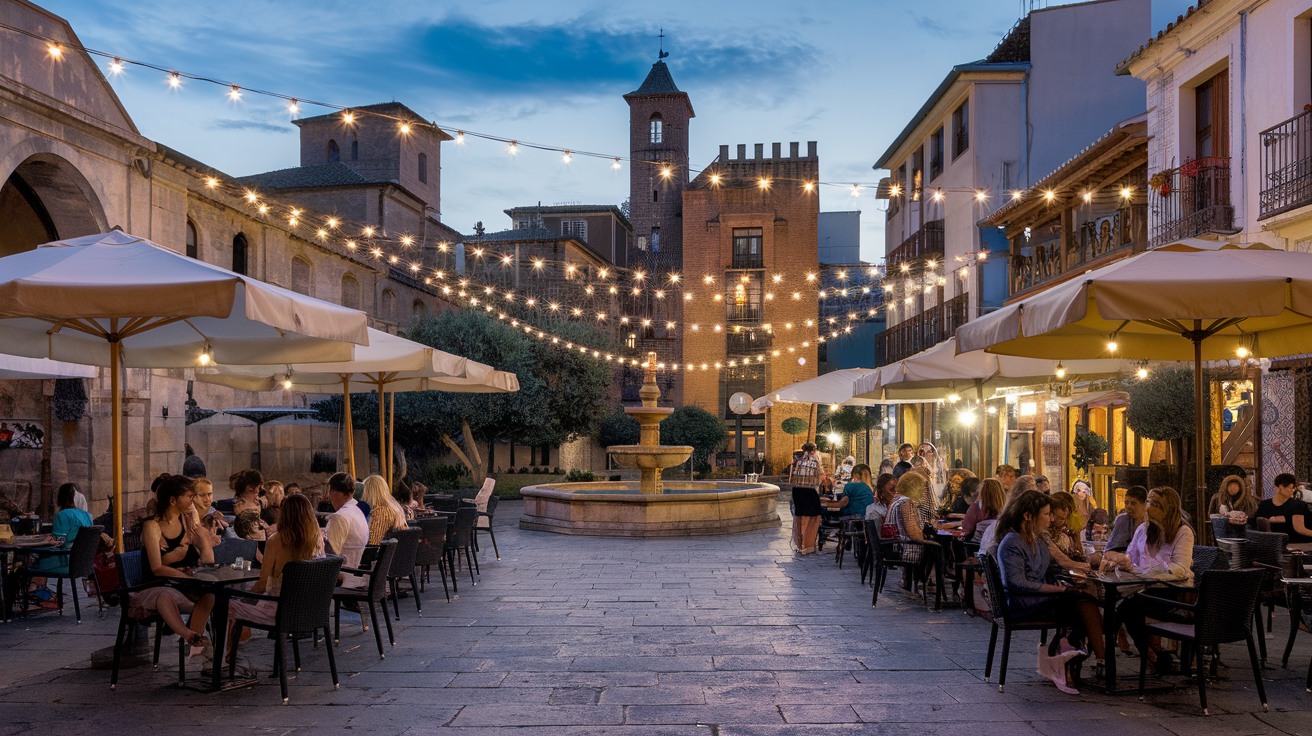
Understanding Spanish culture goes beyond learning to eat dinner late and greeting people with two kisses. The deeper patterns—how Spaniards build relationships, what they value, how they communicate, and what behaviors they find strange or offensive—take time to absorb. This understanding makes the difference between living in Spain and truly settling into Spanish life.
Social foundations
Relationships over transactions
Spanish culture prioritizes personal relationships in ways that can frustrate newcomers expecting efficient transactional interactions. Business isn’t just business—it’s conducted between people who know and trust each other. Services improve when you become a regular and the provider knows your face. Problems get solved through who you know, not just through official channels.
This relationship orientation means investing time in connections that seem unrelated to immediate goals. The café owner who knows your coffee order might recommend a plumber. The neighbor you chat with in the elevator might mention a job opening. The colleague you have lunch with regularly becomes an ally when you need support. These relationships aren’t instrumentally calculated—they develop naturally—but they form the social infrastructure that makes Spanish life work.
For newcomers, this can initially feel like inefficiency. Why can’t the bureaucrat just process my paperwork instead of chatting? Why does every interaction start with personal pleasantries? The answer is that Spanish culture genuinely values the human connection, not just the transaction. Adapting means slowing down, engaging personally, and understanding that the relationship is the point, not an obstacle to the point.
Family centrality
Family remains the core social unit in Spain to a degree that surprises many northern Europeans and Americans. Adult children often live with parents until their late 20s or beyond—not from failure to launch but from cultural preference and economic practicality. Sunday family meals gather multiple generations. Grandparents are actively involved in childcare. Major decisions consider family impact.
This family orientation extends to how Spaniards treat close friends. Inner circle friendships involve family-like loyalty, support, and involvement in each other’s lives. But this inner circle forms slowly and deliberately. Spaniards often describe Americans as friendly but superficial—quick to treat strangers as friends, slow to offer the deep commitment that Spanish friendship implies.
Newcomers may find their initial Spanish friendships feel warm but don’t deepen as quickly as expected. This reflects different cultural timelines for trust-building, not personal rejection. Consistent presence over time—being in the same places, following through on commitments, showing up during difficulties—eventually earns the inner circle access that Spaniards reserve for proven relationships.
Regional identity
Spain isn’t culturally monolithic. Regional identities are strong, sometimes politically charged, and shape how people see themselves. A Catalan, Basque, Galician, or Andalusian identity may feel as significant to someone as being Spanish—or more so.
This matters practically: acknowledging regional distinctions shows cultural awareness. Calling Catalan a dialect of Spanish, assuming Barcelona is “basically the same” as Madrid, or ignoring Basque cultural distinctiveness can cause offense. Regional languages aren’t quaint traditions but living identities that some speakers prefer to Castilian Spanish.
The political dimension is real but navigable for foreigners. You needn’t take sides in debates about Catalan independence or Basque nationalism to show respect for regional identities. Simply acknowledging that Spain contains multiple cultures and languages goes far.
Communication styles
Directness and indirectness
Spanish communication often baffles newcomers who can’t tell whether they’re receiving direct or indirect messages. The answer is: both, depending on context.
Among friends and family, Spanish communication tends toward directness that would seem rude in more reserved cultures. Commenting on someone’s weight gain, questioning their life choices, or offering unsolicited opinions is normal between close connections. This directness signals intimacy and care—the willingness to be honest rather than politely distant.
In professional and formal contexts, communication becomes more indirect. Criticism may be wrapped in suggestions. Disagreement may be expressed as questions rather than objections. The word “no” may be avoided in favor of “that’s difficult” or “we’ll see.” Reading between lines is expected.
The combination of personal directness and professional indirectness confuses newcomers who expect consistency. Learning to code-switch—understanding which register applies in which context—takes time and observation.
Physical expressiveness
Spanish communication is physically expressive. Conversations involve gestures, touching, standing close, and animated facial expressions. Personal space shrinks compared to northern European and American norms.
The standard greeting between people who know each other is two kisses (dos besos)—right cheek first, then left. This applies to most social situations: meeting friends, arriving at parties, seeing colleagues outside work. Men sometimes kiss in social contexts, though handshakes remain more common between men in professional settings.
Touching during conversation—a hand on the arm, a pat on the back—signals warmth rather than intrusion. Standing close during conversations is normal. Personal space expectations are genuinely smaller. Stepping back from someone moving into your space may read as cold.
Interruption as engagement
Spanish conversations feature frequent interruption, overlapping speech, and multiple people talking simultaneously. This conversational style reflects engagement and enthusiasm rather than rudeness. Waiting politely for someone to finish before responding may come across as disinterested.
Contributing to conversations requires jumping in rather than waiting to be invited. Important points may need repetition to be heard in the overlapping flow. The energy and volume of Spanish conversation can feel chaotic but indicates successful social interaction.
This doesn’t mean trampling over others constantly—it’s about reading the flow and participating actively. Overly quiet participation may lead to being overlooked; equally, dominating without reading room dynamics comes across poorly.
Volume and public behavior
Spanish public behavior tends louder and more animated than many Northern cultures consider appropriate. Conversations carry across restaurants. Mobile phone calls happen at full volume in shared spaces. Groups of friends talking generate significant noise.
This higher baseline means that what seems intrusive to visitors is simply normal to Spaniards. Asking for quiet in a boisterous restaurant marks you as the unusual one. Adjusting expectations—rather than expecting Spain to adopt quieter norms—reduces frustration.
That said, regional and generational variations exist. The Basque Country tends quieter than Andalusia. Older Spaniards may be more reserved than younger ones. Madrid differs from small-town Castilla. Observing local norms provides better guidance than generalizations.
Etiquette essentials
Greetings and farewells
Greetings matter in Spain. Entering a shop, elevator, or waiting room without acknowledging others present is rude. A simple “buenos días” (morning), “buenas tardes” (afternoon), or “buenas noches” (evening) is expected. Leaving calls for “adiós” or “hasta luego.”
When greeting people you know, the two-kiss greeting applies in social contexts. Business settings may use handshakes, especially for first meetings. Following the other person’s lead—observing whether they move in for kisses or extend a hand—navigates ambiguous situations.
Greetings include inquiring about wellbeing (“¿Qué tal?” “¿Cómo estás?”), even if responses are brief. Diving immediately into business without this social preamble feels abrupt and impersonal.
Hosting and being hosted
Hospitality norms in Spain have specific expectations. Hosts offer food and drink; refusing outright can offend. Guests bring something—wine, dessert, flowers—even when hosts say not to bring anything. Arriving exactly on time is unusual; 15-30 minutes late is normal for social occasions (less so for business).
Meals at someone’s home are social occasions rather than quick fuel stops. Expect multiple courses, extended conversation, and no rush to leave afterward. Lingering is expected; leaving immediately after eating suggests dissatisfaction.
When hosting, Spanish expectations involve generosity. Offering only water when guests visit seems stingy. Having nothing to offer suggests poor preparation. The cultural default is abundance—better to have too much than too little.
Table manners
Spanish table manners follow general European conventions with local variations. Hands rest on the table (not in laps) when not eating. Bread goes directly on the table, not on a plate. Using bread to mop up sauce is acceptable.
Starting to eat before others are served is impolite—wait for everyone at the table to be served before beginning. Finishing everything on your plate is expected (refusing food is easier than leaving it).
Paying at restaurants involves getting the waiter’s attention with “la cuenta, por favor” when ready. Lingering after meals is normal—the check won’t come until requested. Splitting bills exactly (going Dutch) is less common than in some countries; usually one person pays or the bill is divided simply.
Tipping
Tipping in Spain is less generous than American customs but not absent. Service charges are included in prices; tipping is genuinely optional rather than obligatory.
| Context | Typical tip |
|---|---|
| Restaurants | Round up or 5-10% for good service |
| Bars/cafés | Small coins left on counter |
| Taxis | Round up to nearest euro |
| Hotels | €1-2 per bag for porters |
| Hair salons | €2-5 |
Not tipping doesn’t mark you as rude the way it might in the US. Spanish service workers receive proper wages and don’t depend on tips for income. Tips express appreciation for good service rather than fulfilling an obligation.
Social situations
Making Spanish friends
Friendship with Spaniards develops through consistent, repeated interaction in shared contexts. Work colleagues who lunch together daily may become friends. Neighbors who chat regularly in the building develop relationships. Parents who repeatedly encounter each other at school pickups connect. The pattern is slow accumulation of shared time rather than quick intimacy from a single encounter.
Expats often find their initial social circles forming with other expats—people in similar situations who are also seeking connections. This is natural and valuable but shouldn’t substitute for Spanish relationships. Maintaining both expat and local connections provides balance between easy understanding and deeper cultural integration.
Initiating with Spaniards means suggesting concrete activities rather than vague intentions. “We should get coffee sometime” may never materialize. “Want to grab coffee Thursday after work?” creates actual plans. Following through on suggestions—being reliable—builds the trust that Spanish friendships require.
Navigating acquaintance vs. friend
Spanish distinguishes between conocido (acquaintance) and amigo (friend) more sharply than English often does. Someone you’ve met several times remains a conocido until a genuine friendship develops. Calling a recent acquaintance your amigo sounds odd to Spanish ears.
This distinction reflects cultural expectations about friendship. Real friends (amigos) have mutual obligations—helping during difficulties, being present for important occasions, offering honest opinions. Acquaintances get cordial but limited engagement. The gradual progression from one category to the other takes longer than in cultures where “friend” is used more loosely.
Professional relationships
Spanish workplaces blend professional and personal more than some cultures consider appropriate. Colleagues who lunch together daily develop genuine relationships. Work social events have real social content. Knowing about colleagues’ families, interests, and lives outside work is normal rather than intrusive.
However, hierarchy matters. Addressing superiors formally until invited to use informal address shows respect. Professional disagreement is expressed carefully. The relationship orientation doesn’t eliminate power dynamics—it adds a personal dimension to them.
Cultural values
Time and patience
Spanish culture takes a longer view than efficiency-obsessed cultures. Bureaucratic processes take time. Relationships develop slowly. Life changes unfold at their own pace. Rushing these processes creates frustration without actually speeding outcomes.
Patience (paciencia) is a valued trait. Complaining about delays or expressing urgency marks cultural outsiders. The assumption that things will work out eventually—and that forcing them faster isn’t worth the stress—pervades Spanish attitudes toward time.
This doesn’t mean laziness or lack of ambition. Spaniards work hard, care about outcomes, and achieve plenty. But the relationship between effort and time differs from cultures where speed itself is valued. Accomplishing something well matters more than accomplishing it quickly.
Enjoyment of life
Spanish culture genuinely prioritizes enjoying life—good food, time with friends and family, pleasures small and large. This isn’t hedonistic excess but a value system that questions why anyone would sacrifice enjoyment for its own sake.
Work-life balance isn’t a trendy concept imported from corporate wellness programs—it’s a cultural expectation. Working through lunch, skipping vacations, and prioritizing career over personal life are viewed skeptically. Success includes having a life worth living, not just achievement markers.
For newcomers from achievement-oriented cultures, this can feel like permission to breathe. The pressure to constantly optimize, advance, and produce eases in environments where enjoying Tuesday evening is a legitimate goal.
Formality and respect
Despite the warmth and expressiveness of Spanish culture, formality and respect still matter. Elders deserve deference. Professional contexts have their own norms. The familiar/formal distinction in language (tú vs. usted) signals relationship types.
Generally, use usted with elders you don’t know well, in professional contexts with superiors, and in formal business situations. Most people will quickly invite you to use tú if they prefer informality. Starting formal and being invited to informality is better than presuming intimacy inappropriately.
Titles matter in some contexts. Doctors, lawyers, and professors may be addressed by title in professional settings. Government officials expect appropriate formality. Reading contextual cues—how do others address this person?—provides guidance.
Common misunderstandings
”Mañana” doesn’t mean tomorrow
The famous “mañana” attitude is real but misunderstood. Mañana literally means tomorrow but culturally means “not right now” or “eventually.” A tradesman saying “mañana” isn’t lying about coming tomorrow—they’re communicating that the timing isn’t determined yet.
This creates frustration for those expecting precise scheduling. Learning to ask for specific commitments (“What day next week?”) rather than accepting vague timeframes helps manage expectations. And accepting that some things genuinely aren’t urgent enough to schedule precisely prevents unnecessary stress.
Directness isn’t rudeness
When a Spanish friend tells you your new haircut looks terrible, they’re not being rude—they’re being honest in a way that shows intimacy. When a shopkeeper seems brusque, they’re probably just efficient rather than hostile. When someone gives unsolicited advice about your life choices, they’re expressing care.
Distinguishing between actual rudeness (which exists everywhere) and different cultural norms around directness takes time. Generally, if the communication comes from someone who knows you and seems otherwise warm, directness signals relationship rather than hostility.
Punctuality is contextual
Social events start late; doctors’ appointments involve waiting; the plumber arrives in a window rather than at a specific time. This isn’t disrespect—it’s different cultural expectations about time precision.
However, job interviews, flights, and official appointments with stated times expect punctuality. Distinguishing which contexts are flexible and which are fixed prevents both unnecessary stress and actual problems.
Bureaucracy isn’t personal
When government offices require multiple visits, documents need additional stamps, and processes take months instead of days, this isn’t targeting foreigners. The bureaucratic system functions slowly for everyone. Frustration is universal; expecting special treatment as an outsider is unrealistic.
Spanish strategies for navigating bureaucracy—using gestorías, leveraging connections, accepting that multiple attempts may be necessary—work for newcomers too. Adopting local coping mechanisms rather than expecting the system to change reduces frustration.
Integration strategies
Show up consistently
Integration happens through repeated presence, not dramatic gestures. Frequenting the same café, shopping at the same stores, attending the same gym classes, walking the same routes—this consistent presence makes you a familiar face who belongs rather than a stranger passing through.
Learn Spanish
Nothing signals commitment to Spanish life like learning the language. Even imperfect Spanish demonstrates respect and enables genuine connection. Spaniards appreciate the effort regardless of proficiency level. Remaining English-only limits social access and marks you as a temporary visitor.
Participate in local life
Join a sports team, attend neighborhood festivals, volunteer with local organizations, participate in community events. These activities provide structured contexts for meeting people and demonstrate commitment to your community. Standing on the sidelines keeps you separate; participating integrates you.
Be patient with yourself
Cultural adaptation takes time—years, not months. Making mistakes, feeling confused, missing familiar norms, and occasionally wanting to flee are normal. Long-term expats describe gradual shifts in how they see the world, often without noticing the changes until they return home and feel out of place there too.
Key takeaways
Spanish culture rewards patience, relationship-building, and genuine engagement with people rather than efficient transactions. The warmth and expressiveness of Spanish social life open to those who participate actively rather than observing from the sidelines.
Integration means adapting your expectations rather than expecting Spain to adapt to you. Time moves differently, relationships develop on their own schedule, and life’s pleasures deserve priority. Fighting these cultural norms guarantees frustration; embracing them reveals why so many people fall in love with Spanish life.
Understanding culture doesn’t mean abandoning your own values or pretending to be Spanish. It means recognizing different norms, adapting behavior appropriately, and giving Spanish ways a genuine try. Most long-term expats find that some Spanish values improve their lives—that slowing down, prioritizing relationships, and enjoying the moment actually feel better than what they left behind.

Written by
John Spencer
John Spencer is a writer, researcher, and digital entrepreneur who specializes in expat life, relocation strategy, and lifestyle design—particularly in Spain. His work focuses on turning overwhelming topics like visas, residency, healthcare, banking, and cost of living into straightforward, decision-ready insights.
Disclaimer: The information on this page is for general informational purposes only and does not constitute legal, tax, financial, or medical advice. Requirements and regulations change frequently. Always verify information with official Spanish government sources and consult qualified professionals for your specific situation.
Planning your move?
Get our free checklist with everything you need to do before and after arriving in Spain.
Get the checklist