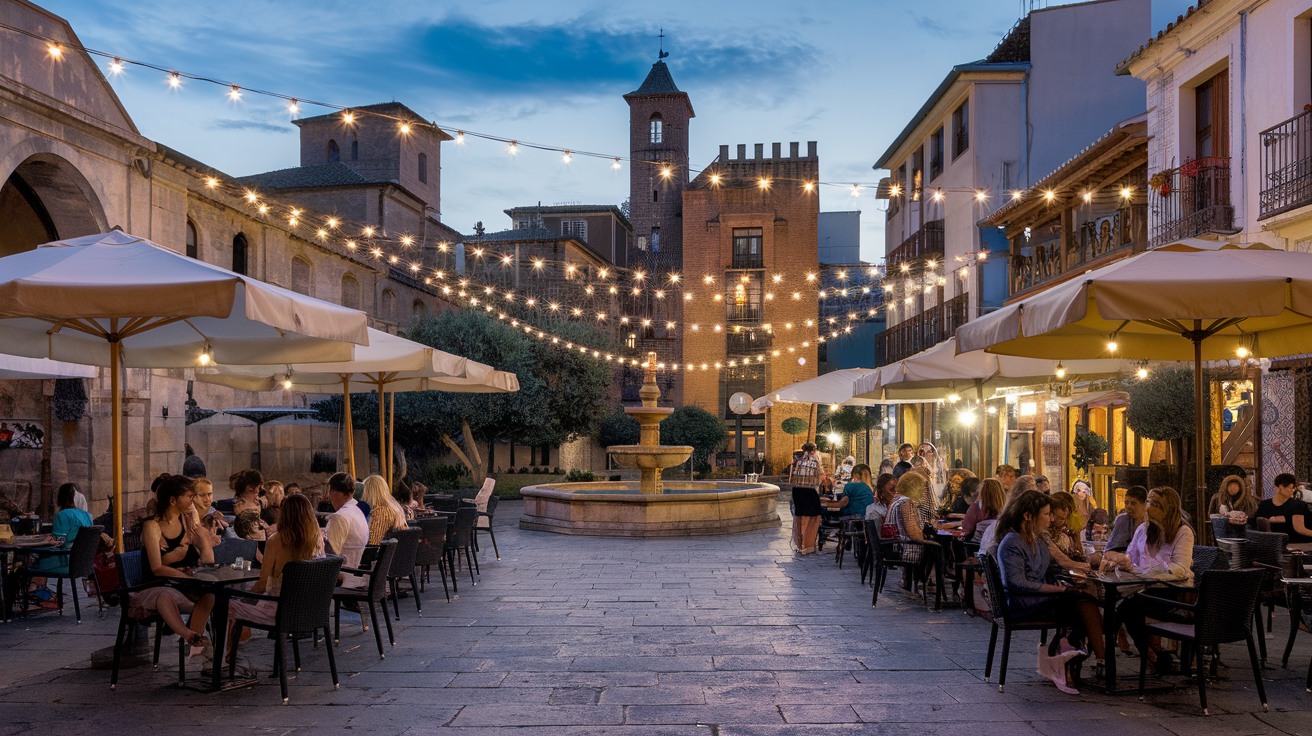
Nothing prepares newcomers for Spanish time quite like experiencing it firsthand. Dinner at 10 PM, shops closing mid-afternoon, children playing in parks at midnight—the Spanish schedule operates on rhythms that bewilder visitors from countries where 6 PM dinner is normal and everything closes by 9 PM. Understanding this schedule isn’t just about adjusting your watch; it’s about embracing a fundamentally different approach to organizing daily life.
Why Spain runs late
The historical explanation
Spain’s unusual schedule has roots in the Franco era, when the country adopted Central European Time despite being geographically aligned with Britain and Portugal (which use Western European Time). This means Spanish clocks show 1-2 hours later than solar time would suggest—when Spanish clocks read noon, the sun is actually where it would be at 10 or 11 AM.
This time zone quirk means that Spanish days start and end later by the clock than they “should” by the sun. Sunrise in Madrid in January happens around 8:45 AM—much later than the 7:30 AM you’d expect at that latitude. Evening light lasts until 10 PM in summer. The entire day shifts later as a result.
But the time zone explains only part of it. Spanish culture genuinely values socializing, long meals, and evening life in ways that northern European and American cultures don’t prioritize similarly. The schedule reflects cultural choices, not just clock accidents.
The modern reality
Despite periodic discussions about changing the time zone, Spain shows little appetite for actually shifting schedules earlier. The late schedule is embedded in everything from television programming to restaurant reservations to business customs. Spaniards themselves often complain about it—sleep researchers note that Spain is chronically sleep-deprived—but changing it would require coordinated shifts across all of society.
For expats, acceptance comes easier than resistance. Fighting the schedule means eating alone at empty restaurants, missing social events, and feeling perpetually out of sync. Adapting means joining one of the world’s most vibrant evening cultures and discovering why Spaniards fiercely defend their way of life.
The Spanish day, hour by hour
Morning (7 AM - 2 PM)
Spanish mornings start slowly by international standards. Many Spaniards don’t wake until 7:30 or 8 AM, with work typically beginning between 9 and 10 AM. The rush hour accordingly peaks later—Madrid’s metro is most crowded between 8:30 and 9:30 AM rather than the 7-8 AM peak common elsewhere.
Breakfast (desayuno) is minimal for most Spaniards—coffee at home or at a bar on the way to work, perhaps with a small pastry or toast. The elaborate breakfasts of hotels cater to tourists; locals grab something quick and save appetite for later.
The morning work block runs from roughly 9 AM to 2 PM—five hours of productivity before the midday break. Offices, shops, and businesses operate normally during this period. Banks typically open 8:30 AM to 2 PM, closing for the day after the morning shift.
| Time | Typical activity |
|---|---|
| 7:00-8:00 | Wake up (varies) |
| 8:00-9:00 | Quick breakfast, commute |
| 9:00-10:00 | Work begins |
| 11:00-12:00 | Mid-morning coffee break |
| 12:00-14:00 | Continue working |
Around 11 AM, many workplaces observe an informal coffee break—a moment to step away, grab a café con leche, and socialize briefly. This isn’t a formal institution like British tea time, but the rhythm of Spanish work accommodates these small pauses.
Midday (2 PM - 5 PM)
The famous Spanish lunch break traditionally spans 2-5 PM, though this varies significantly by profession, region, and workplace type. During these hours, the country’s rhythm changes noticeably. Small shops close. Streets in residential areas quiet. The pace shifts from work to rest.
Lunch (comida or almuerzo) is the main meal of the day, traditionally eaten at home with family. The classic pattern involves leaving work at 2 PM, eating a substantial meal by 3 PM, resting briefly (the famous siesta), and returning to work around 5 PM. This rhythm made sense when people lived near their workplaces and summers were brutally hot.
Modern Spanish life has complicated this tradition. Long commutes make going home impractical for many workers. International companies often impose continuous schedules (jornada intensiva) with shorter lunch breaks. Urban restaurants do huge lunch business serving workers who can’t get home.
| Lunch timing | Context |
|---|---|
| 1:30-2:00 PM | Early (unusual) |
| 2:00-2:30 PM | Normal start |
| 2:30-3:30 PM | Peak lunch hour |
| 3:30-4:00 PM | Late lunch |
| After 4:00 PM | Very late (happens) |
The siesta itself is more myth than universal practice in modern Spain. Surveys show only about 16% of Spaniards regularly nap after lunch. But the slower pace of early afternoon remains real—scheduling meetings at 3 PM is awkward, expecting prompt email responses is unrealistic, and the cultural permission to rest exists even if not everyone exercises it.
Afternoon and evening (5 PM - 10 PM)
Spain comes back to life around 5 PM. Shops reopen, streets fill again, and the second work shift begins for those on traditional schedules. This afternoon block runs until 8 PM or later, making Spanish workdays among Europe’s longest despite not necessarily involving more actual working hours.
The merienda, a light afternoon snack around 6 PM, bridges the gap between lunch and late dinner. Children might have a sandwich or fruit after school; adults might grab coffee and a pastry. This small meal sustains energy through the long afternoon.
Evening social life begins around 7-8 PM. After-work drinks (cañas), walks through the neighborhood (paseos), time in parks and plazas—this is when Spanish cities feel most alive. The pleasant evening hours, especially in summer when heat finally breaks, draw people outdoors. Terraces fill, conversations flow, and the workday’s stress dissolves.
| Time | Typical activity |
|---|---|
| 17:00 | Return to work / shops reopen |
| 18:00 | Merienda (snack) |
| 19:00-20:00 | End of workday |
| 20:00-21:00 | Socializing, errands |
| 21:00-22:00 | Heading home for dinner |
Night (10 PM onwards)
Dinner (cena) happens late—9:30 PM is normal, 10 PM is common, and 11 PM isn’t unusual for weekends or social occasions. Restaurants expecting tourist traffic open by 8 PM; those serving locals often don’t open until 9 PM and fill up closer to 10 PM.
Dinners are typically lighter than lunch, though “lighter” is relative. A typical cena might include a salad or soup, a protein dish, and fruit or simple dessert. At restaurants, full multi-course dinners naturally take longer and the meal might not finish until midnight.
After dinner, prime-time television runs until midnight or later. Children’s bedtimes, especially in summer, stretch well past 10 PM—seeing families with young kids in plazas at 11 PM shocks visitors but is utterly normal in Spain. Weekend nights extend even later; dinner at 11 PM followed by drinks out means not getting home until 2 or 3 AM.
| Dinner timing | Context |
|---|---|
| 20:00-21:00 | Early (for kids, elderly, tourists) |
| 21:00-21:30 | Normal weeknight |
| 21:30-22:30 | Standard Spanish time |
| 22:30-23:00 | Weekend social dinners |
| After 23:00 | Special occasions, going out |
Adapting your schedule
Work considerations
If you work for a Spanish company or in a Spanish office, expect your schedule to reflect local norms. The traditional split shift (jornada partida) means working 9-2 and 5-8, getting home by 9 PM and eating dinner around 10 PM. This is exhausting by international standards but remains common in retail, hospitality, and many professional settings.
The continuous schedule (jornada intensiva) compresses work into roughly 8 AM to 3 PM without a long lunch break. This pattern is increasingly common in offices, especially those with international connections. Workers finish earlier, have proper evenings, and generally report better work-life balance. Many companies offer jornada intensiva during summer months even if they use split shifts the rest of the year.
Remote workers have the most flexibility. You might maintain your previous country’s schedule, align with Spanish rhythms, or create a hybrid that works for your circumstances. The main consideration is synchronizing with whoever you need to communicate with—Spanish colleagues won’t answer 7 AM emails, while British clients won’t wait until 10 PM.
Meal timing strategies
Your digestive system doesn’t immediately adapt to eating dinner at 10 PM. The transition period can mean being hungry when restaurants aren’t open and not hungry when they are. A few strategies help:
Embrace merienda. A substantial afternoon snack around 6 PM reduces dinner desperation. This can be simple—toast with tomato, a small sandwich, fruit and cheese—or more elaborate at a café.
Shift gradually. Move meals later by 30 minutes every few days rather than immediately jumping to Spanish times. Your body adjusts more smoothly with gradual change.
Cook at home initially. When restaurants don’t open until 9 PM but you’re hungry at 7 PM, cooking solves the problem. As you adapt, you’ll naturally shift to eating out at Spanish hours.
Accept the big lunch. Making lunch your main meal aligns with Spanish culture and means lighter dinners can happen later without discomfort. The menú del día makes this affordable and convenient.
Sleep and energy
Spanish schedules challenge sleep patterns. If dinner ends at 11 PM and you need to wake at 7 AM, eight hours of sleep becomes mathematically difficult. Spaniards average less sleep than most Europeans, and the WHO has raised concerns about Spain’s collective sleep debt.
Managing this requires intentionality:
Protect sleep time. Social pressure to stay out late exists, but you can decline weeknight invitations that would wreck the next day. Save the late nights for weekends.
Consider napping. Even if you don’t take a full siesta, a 20-minute power nap after lunch can sustain energy through the long Spanish day. This only works if your schedule permits it.
Morning routine. If you need morning productivity, guard it fiercely. Spanish mornings are relatively quiet; use that time for focused work before the social afternoon and evening.
Weekend recovery. Sleeping in on weekends helps compensate for weeknight deficits. Spanish Sunday mornings are quiet enough that late rising feels natural.
Regional and seasonal variations
Regional differences
The Spanish schedule varies somewhat by region, though the general pattern holds nationwide. Catalonia tends slightly earlier than the national average, influenced by historical ties to France and greater international business presence. The Canary Islands, in a different time zone, run an hour earlier than the mainland.
Andalusia, particularly in summer, may run even later than average. When temperatures reach 40°C, outdoor activity before 9 PM is uncomfortable. Cities like Seville come truly alive only after dark, with dinner and socializing extending toward midnight and beyond.
Northern Spain (Galicia, Asturias, Basque Country) experiences less extreme summer heat and somewhat earlier schedules as a result. The difference isn’t dramatic—dinner is still late by international standards—but the rhythm feels slightly less shifted.
Seasonal adjustments
Summer schedules run significantly later than winter ones. The combination of heat and late sunset pushes everything toward evening. August, when many Spaniards take vacation, operates on its own logic entirely—cities quiet as residents escape to coasts or mountains, and those remaining embrace maximum flexibility.
| Season | Dinner time | Nightlife starts |
|---|---|---|
| Winter | 21:00-22:00 | 23:00-00:00 |
| Spring/Fall | 21:30-22:30 | 23:30-00:30 |
| Summer | 22:00-23:00 | 00:00-01:00 |
Winter brings earlier darkness and somewhat earlier schedules, though “early” remains late by international comparison. December dinner at 9:30 PM is early for summer but normal for winter.
Many businesses adopt summer hours (horario de verano) from June through September, often including jornada intensiva schedules that let workers finish by mid-afternoon. Shop hours may shift, with some extending evening hours while others close during the hottest afternoon hours.
Navigating business and services
Business hours
Spanish business hours confuse newcomers expecting 9-to-5 consistency. The traditional pattern involves morning operation, midday closure, and afternoon reopening—but this varies enormously by business type.
| Business type | Typical hours | Notes |
|---|---|---|
| Banks | 8:30-14:00 | Mornings only |
| Government offices | 9:00-14:00 | Mornings only (usually) |
| Large supermarkets | 9:00-21:30 | Continuous |
| Small shops | 10:00-14:00, 17:00-20:30 | Split schedule |
| Restaurants (lunch) | 13:30-16:00 | Kitchen hours |
| Restaurants (dinner) | 20:30-23:30 | Kitchen hours |
| Pharmacies | Varies, plus 24hr on-call | Rotating emergency duty |
Sunday closures remain common despite loosening regulations. Supermarkets in tourist areas and shopping centers often open, but neighborhood shops typically close. Planning weekend errands requires awareness of what’s available when.
Appointments and punctuality
Spanish attitudes toward punctuality differ from Germanic or Anglo-Saxon expectations. Social appointments include flexibility—arriving 15 minutes late to a dinner party is entirely acceptable, even expected. Business appointments should be more punctual, but don’t expect the rigid precision common elsewhere.
Medical and government appointments follow their own logic. A 10 AM appointment might mean being seen at 10:30 or 11:00, depending on how the day flows. Bring reading material and patience. Complaining about waits accomplishes nothing and marks you as culturally unaware.
When scheduling meetings with Spaniards, avoid:
- Early morning (before 9:30): People aren’t functional yet
- Lunch time (14:00-16:30): Sacred meal and rest time
- Late Friday afternoon: Weekend has mentally begun
- August: Many businesses close or operate minimally
The social dimension
Why it works for Spaniards
The Spanish schedule isn’t an accident or inefficiency to be corrected—it reflects genuine cultural values. Spaniards prioritize family meals, social connection, and enjoying life’s pleasures over maximizing productivity or optimizing sleep. The evening hours spent in plazas, at terraces, and with friends represent the good life, not wasted time.
The late schedule also accommodates Spain’s climate, at least in the center and south. When summer afternoons exceed 40°C, being productive outdoors is impossible anyway. Shifting activity to cooler morning and evening hours makes practical sense, even if air conditioning has reduced this necessity.
Children benefit from family dinner, even if it’s at 10 PM. Spanish kids grow up participating in adult social life—present at restaurants, active in plazas, included rather than sent to bed early. This socialization produces adults comfortable in social situations and oriented toward collective rather than isolated living.
Building your social life
Adapting to Spanish schedules unlocks social opportunities that earlier schedules foreclose. The spontaneous evening drink after work (cañas), the long weekend lunch that stretches into late afternoon, the plaza gatherings on summer nights—these don’t fit into a 6 PM dinner, 10 PM bedtime routine.
For expats, embracing the schedule means:
Accept late invitations. When Spanish friends suggest meeting at 9:30 PM, say yes. That’s when social life happens.
Extend meals. Don’t rush through lunch or dinner. The meal is the social occasion, not an interruption to be finished quickly.
Join the paseo. Evening walks through town aren’t just exercise—they’re how you see neighbors, bump into acquaintances, and feel part of the community.
Stay flexible. Plans shift, timing is approximate, and spontaneity trumps scheduling. The Spanish saying “mañana” doesn’t mean “tomorrow”—it means “not right now, but eventually.”
Key takeaways
The Spanish schedule runs 2-3 hours later than most of Europe and North America, affecting everything from meal times to sleep patterns to business hours. This isn’t inefficiency to be corrected but a cultural choice that prioritizes social connection, family meals, and enjoying life over productivity optimization.
Adapting requires patience with yourself and acceptance of local rhythms. Shift meal times gradually, embrace merienda to bridge long afternoon gaps, and protect sleep where possible. The adjustment period passes, and most expats eventually appreciate the lifestyle—the vibrant evenings, the long lunches, the social culture that late schedules enable.
Fighting the schedule means isolation and frustration. Embracing it means joining one of Europe’s most sociable cultures and discovering why Spaniards, despite perpetual complaints about their own sleep deprivation, fiercely resist any proposal to change their distinctive way of life.

Written by
John Spencer
John Spencer is a writer, researcher, and digital entrepreneur who specializes in expat life, relocation strategy, and lifestyle design—particularly in Spain. His work focuses on turning overwhelming topics like visas, residency, healthcare, banking, and cost of living into straightforward, decision-ready insights.
Disclaimer: The information on this page is for general informational purposes only and does not constitute legal, tax, financial, or medical advice. Requirements and regulations change frequently. Always verify information with official Spanish government sources and consult qualified professionals for your specific situation.
Planning your move?
Get our free checklist with everything you need to do before and after arriving in Spain.
Get the checklist